
[T]hey might forget something that time never stops and change is inevitable.
The author would like to express this gratitude to their contributions.
Since the demonstrations in July this year, Thailand has marked a new, irreversible history. Several protests emerge everywhere in the country. It is now obvious that, whether it be 3 demands or 10 principles that the protest leaders call for, this country needs a multidimensional reformation to reach pro-democracy people’s ideal that is an actual, functioning democracy. Things are going to change and our future depends on what we are doing right now.
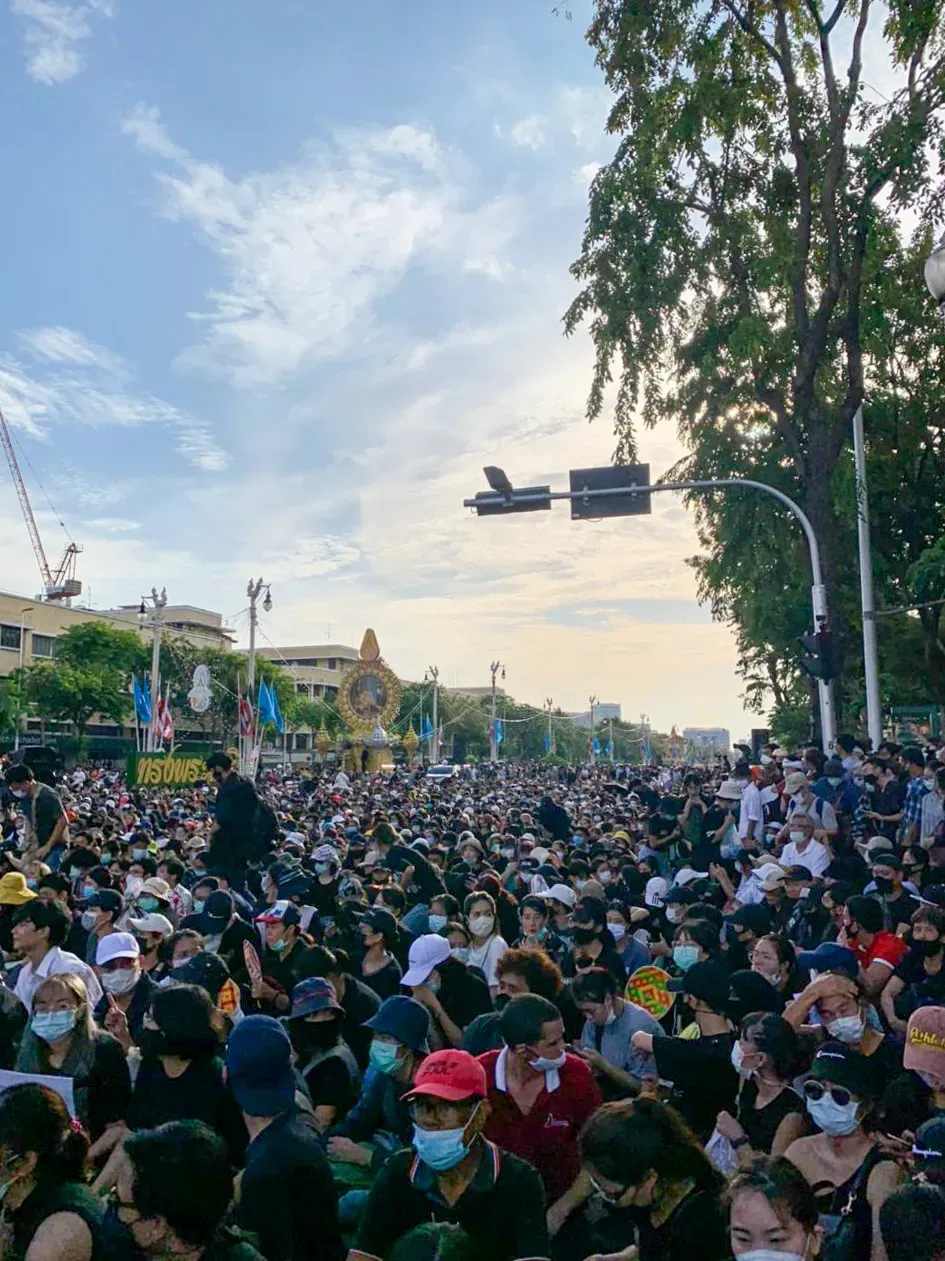
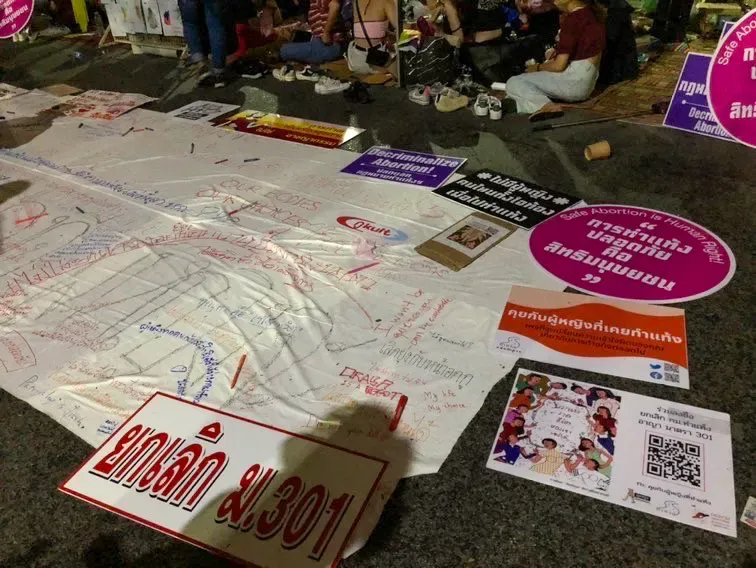
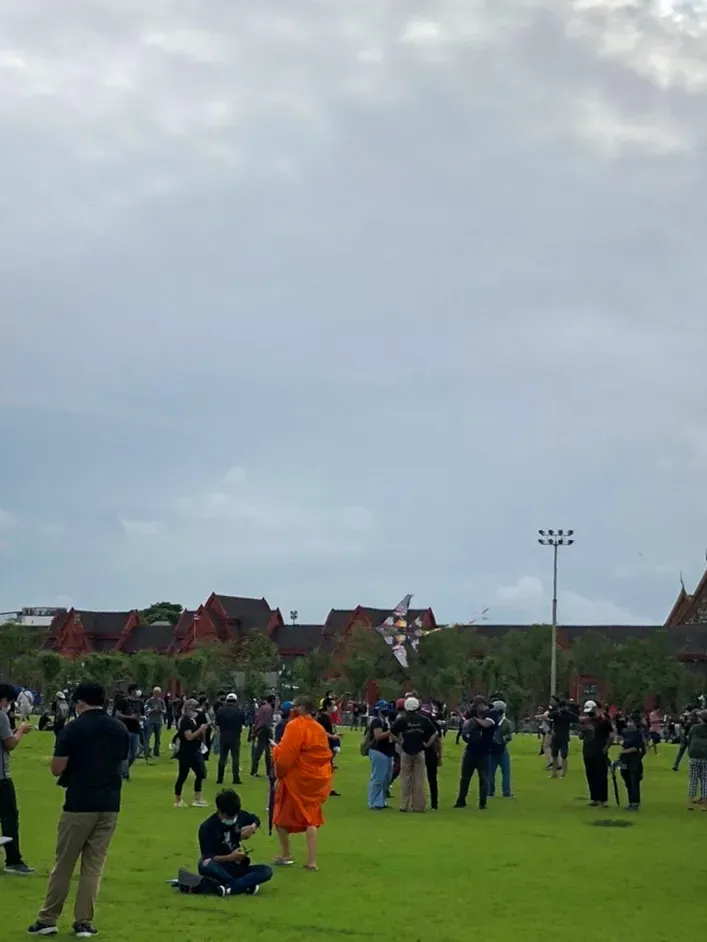
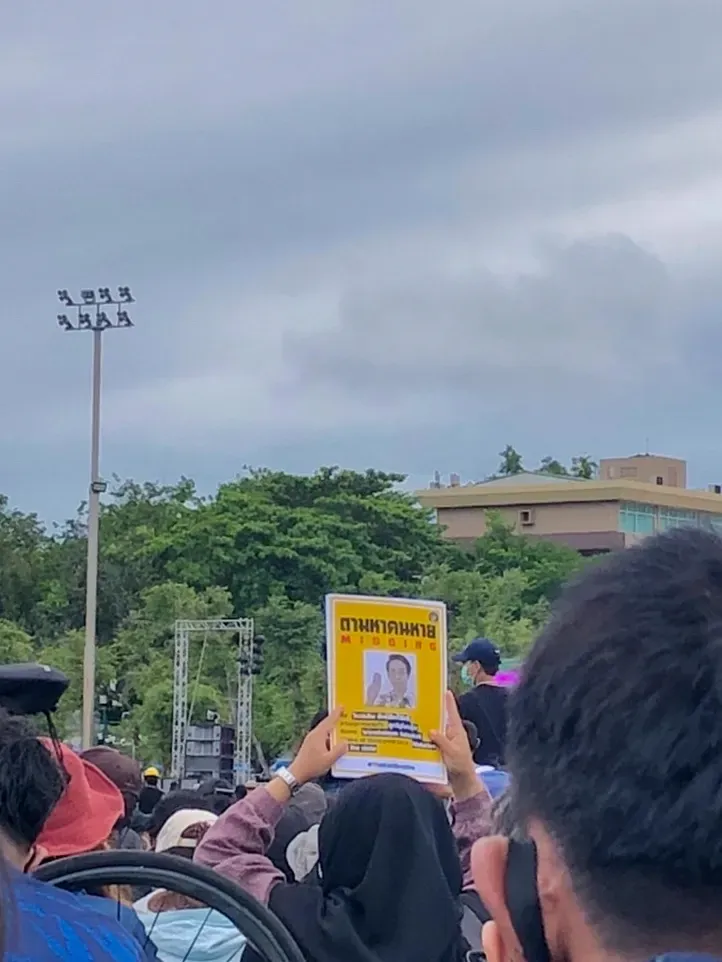
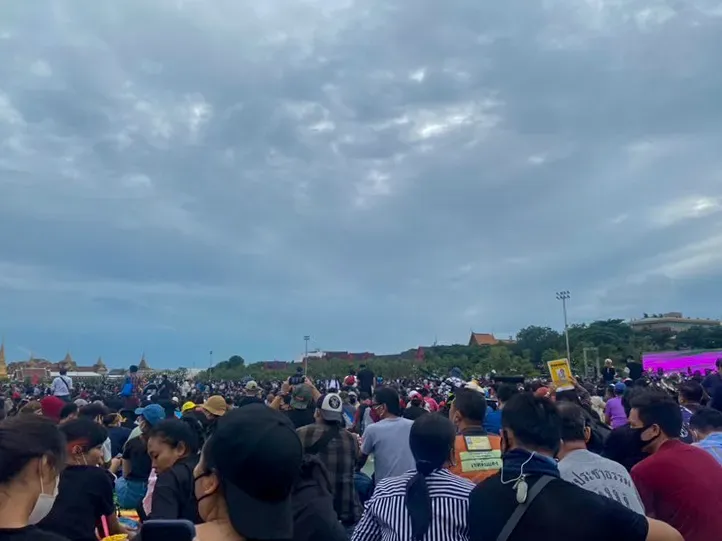
A Rally at Sanam Luang
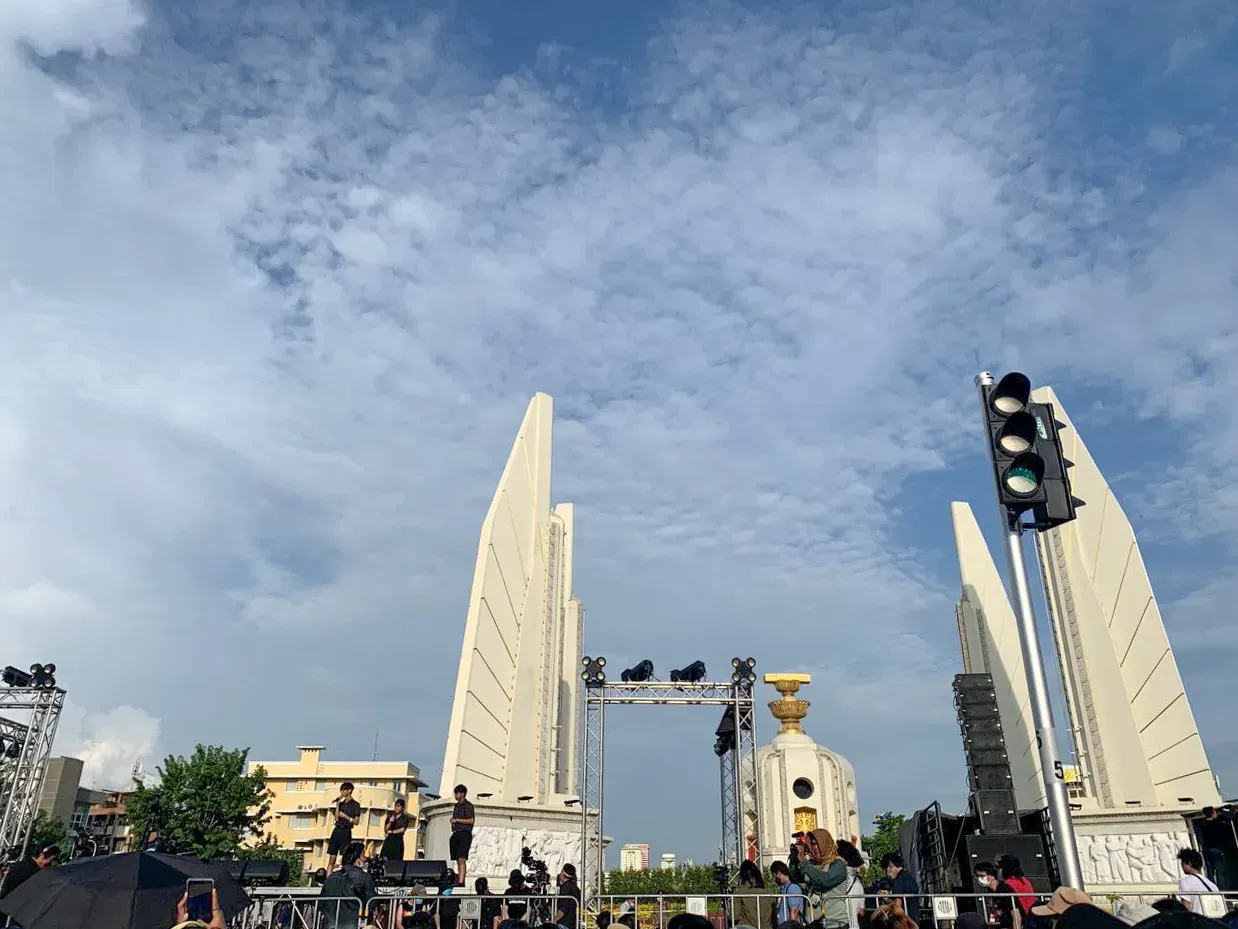
The Chronicle of the Future
The more frequent the protests have turned up, the more pressure this country has, stimulating people’s mutual interests on the reformation. It is undoubtedly another historic moment which would be engraved in Thailand’s chronicles and shape the way this country is going to be in the future. Below is a very rough summary of what had happened recently.
Meanwhile, people urge the government and other institutions their demands, many dissenters have been arrested and injured by the authorities, especially after 13 October that Pai and others were arrested before the demonstration would happen the next day.
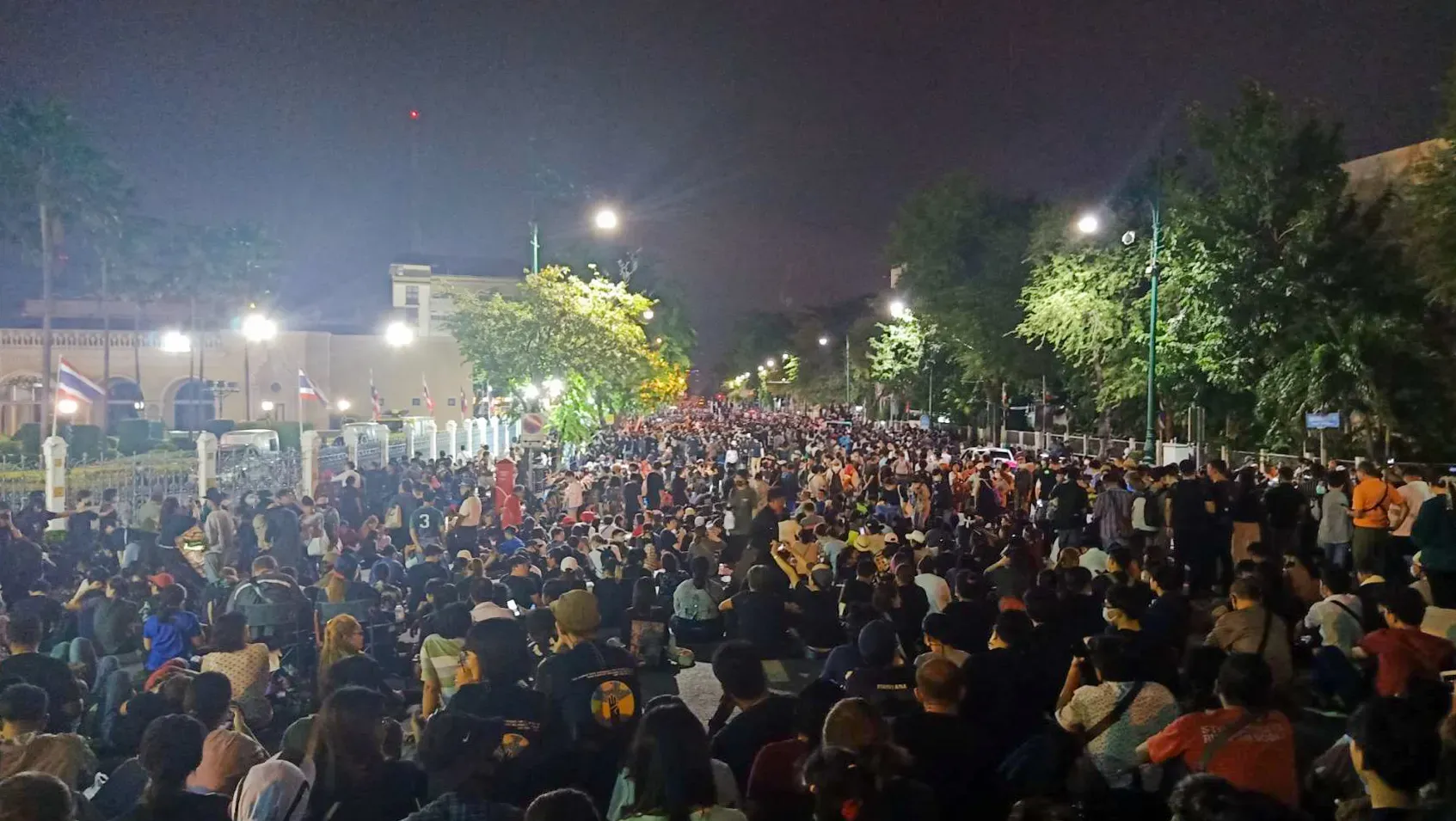
On 14 October, some demonstrators were harmed by groups of yellow-shirt people, resulting in disarray. Moreover, some were accused and subsequently charged of halting the motorcade of the Queen, bringing a lot of controversy on what was happening at that moment. Besides, some videos were posted on social media and some witnesses had elucidated the situation.
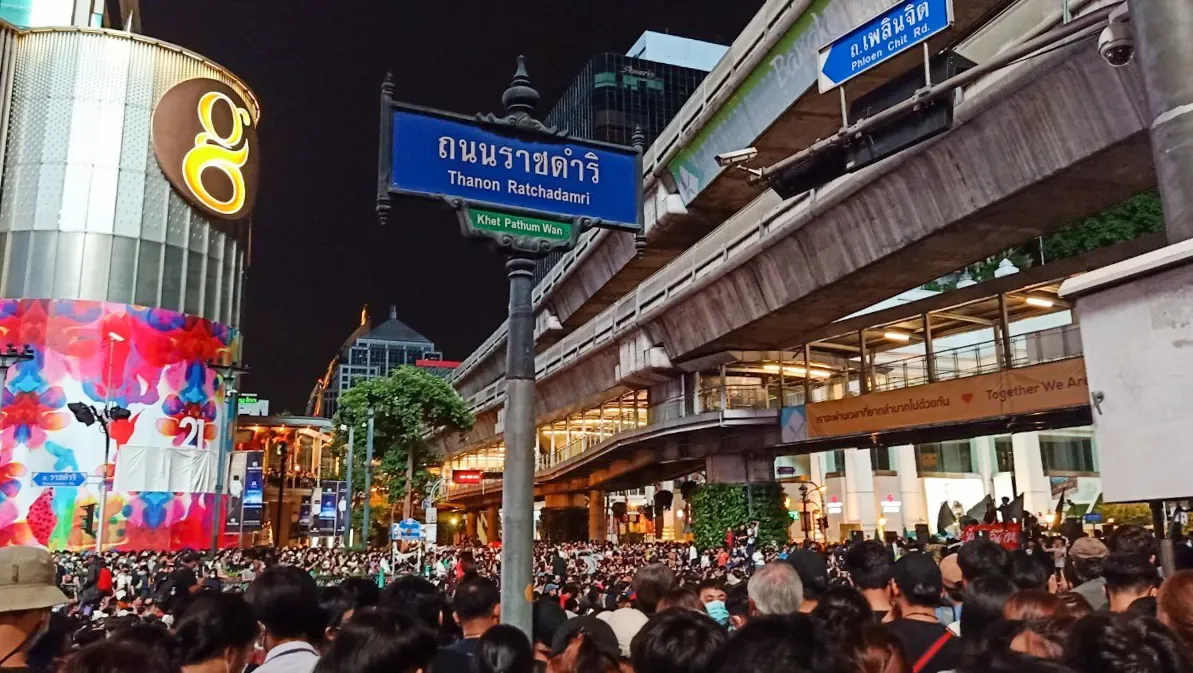
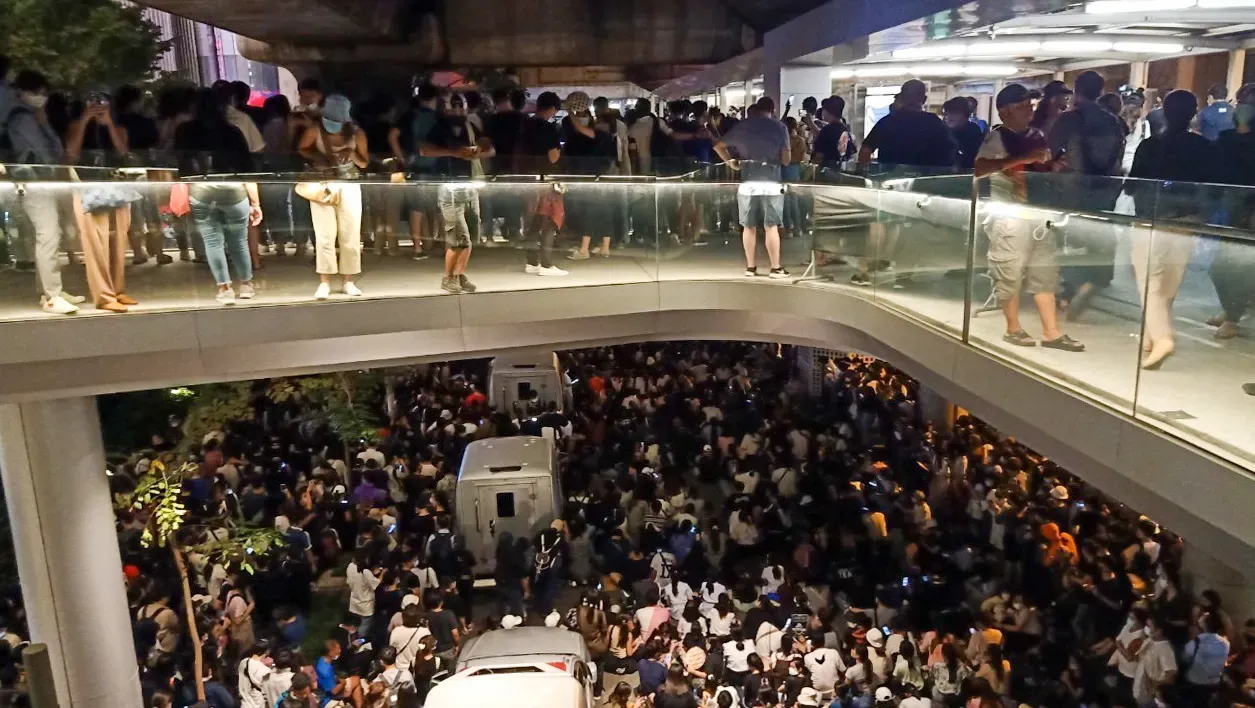
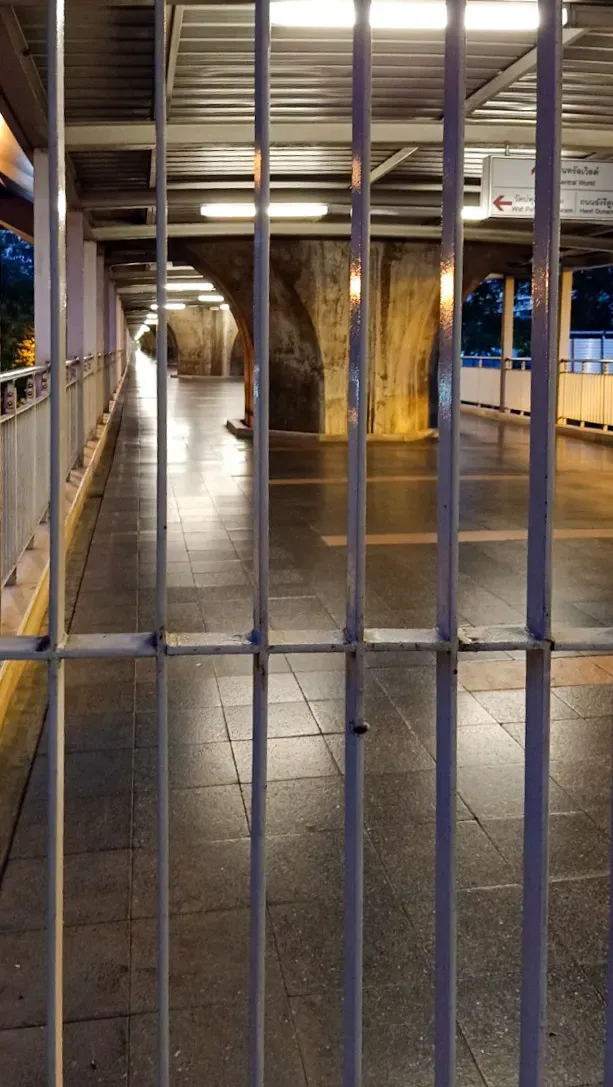
A Rally at Ratchadamri Road
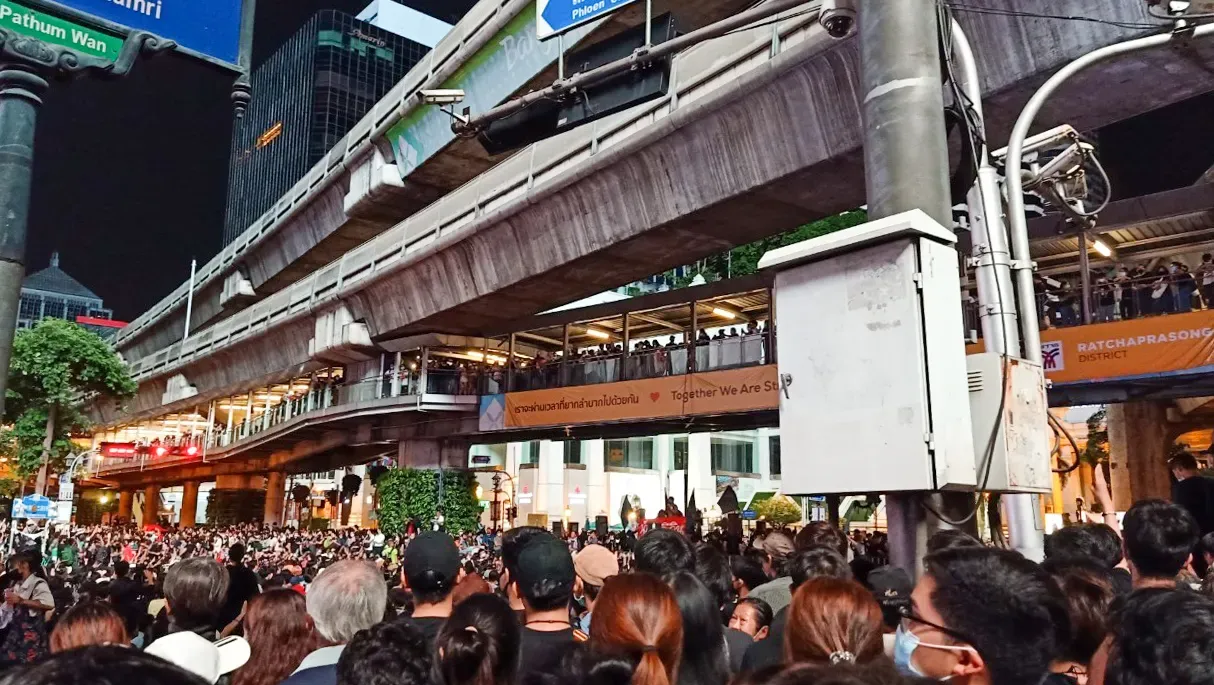
In the next day, as 20 protesters were arrested, people courageously gathered at Ratchaprasong intersection, albeit the initiation of critical emergency decree, uplifting the circumstances to the next step. One protester even said that everyone was a leader.
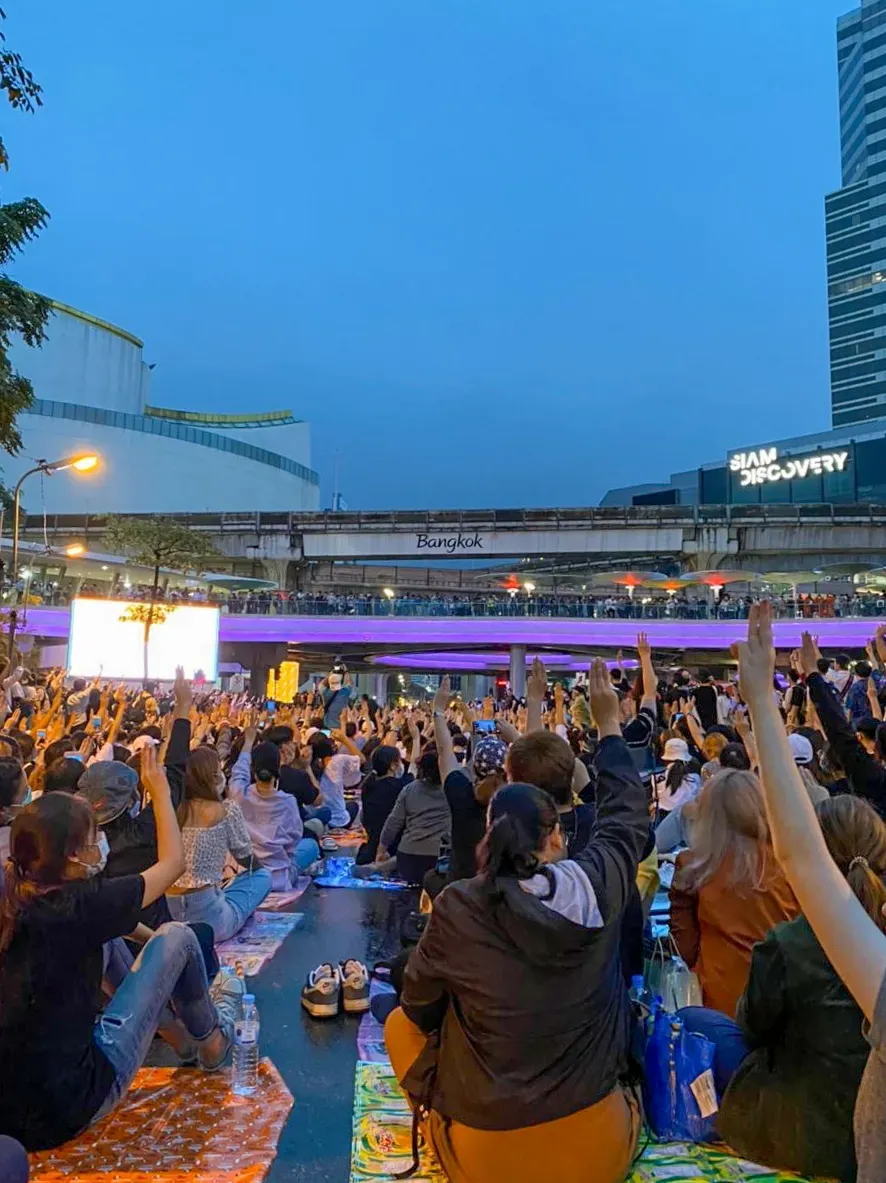
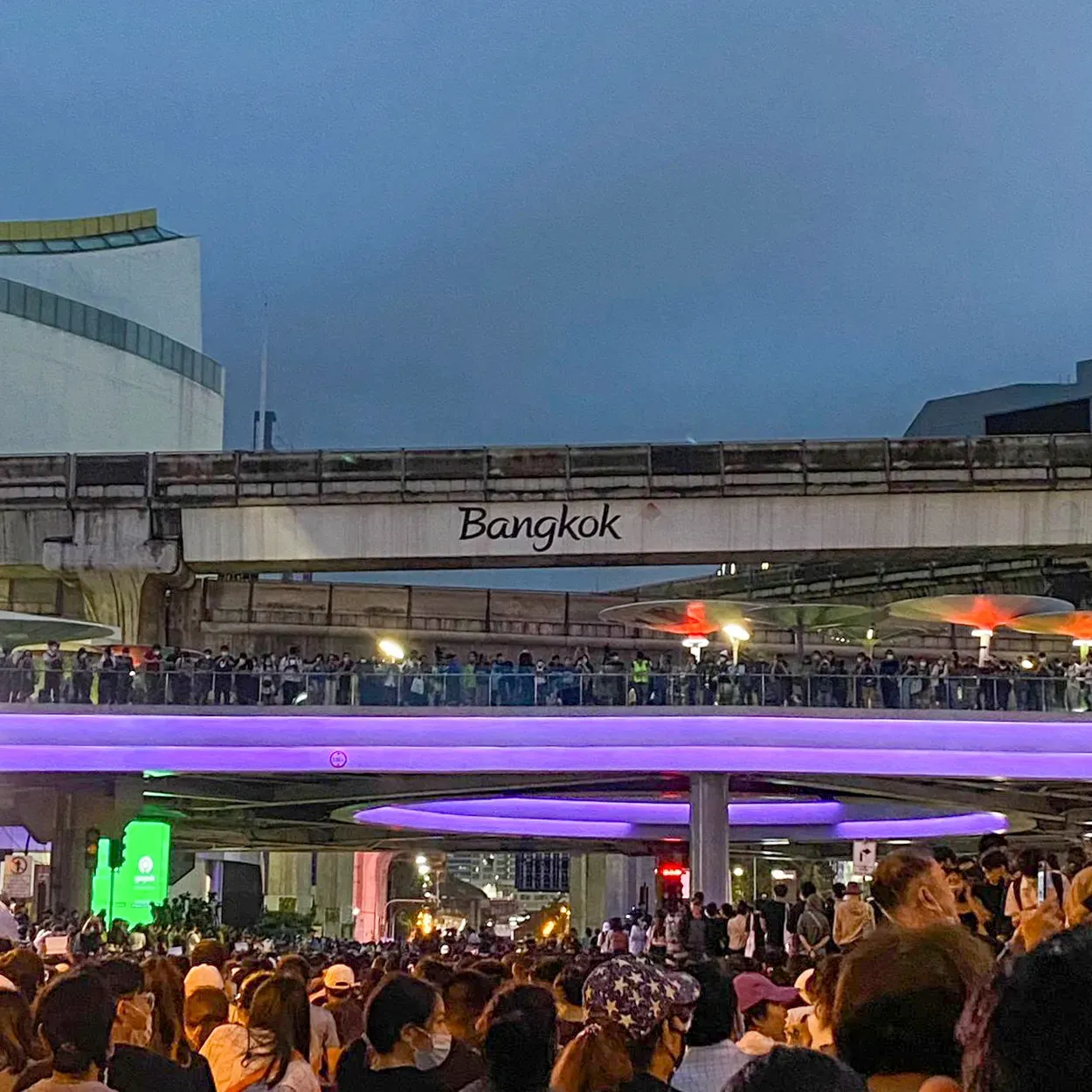
A Rally at MBK
As of 16 October, something inhumane happened. Neither frightened nor complied with the authorities’ warnings and dispersal strategies towards the protesters, they instantly gathered at Pathumwan intersection, one of the most congested areas in the capital. However, at this time, the authorities decided to disperse the demonstrators by using high-pressure water cannons — which later they came up with chemical substances that would dye and irritate people’s skin, especially their eyes and clothes — and sound waves which would disturb them. Although a deputy metropolitan police chief rejected rumours of using tear gas, it could not be denied that what the officers did to the anti-government was outrageous and brutal. This action greatly caused torments to those victims and other pro-democracy supporters and, more or less, deteriorate the situation and legitimacy of the government itself.
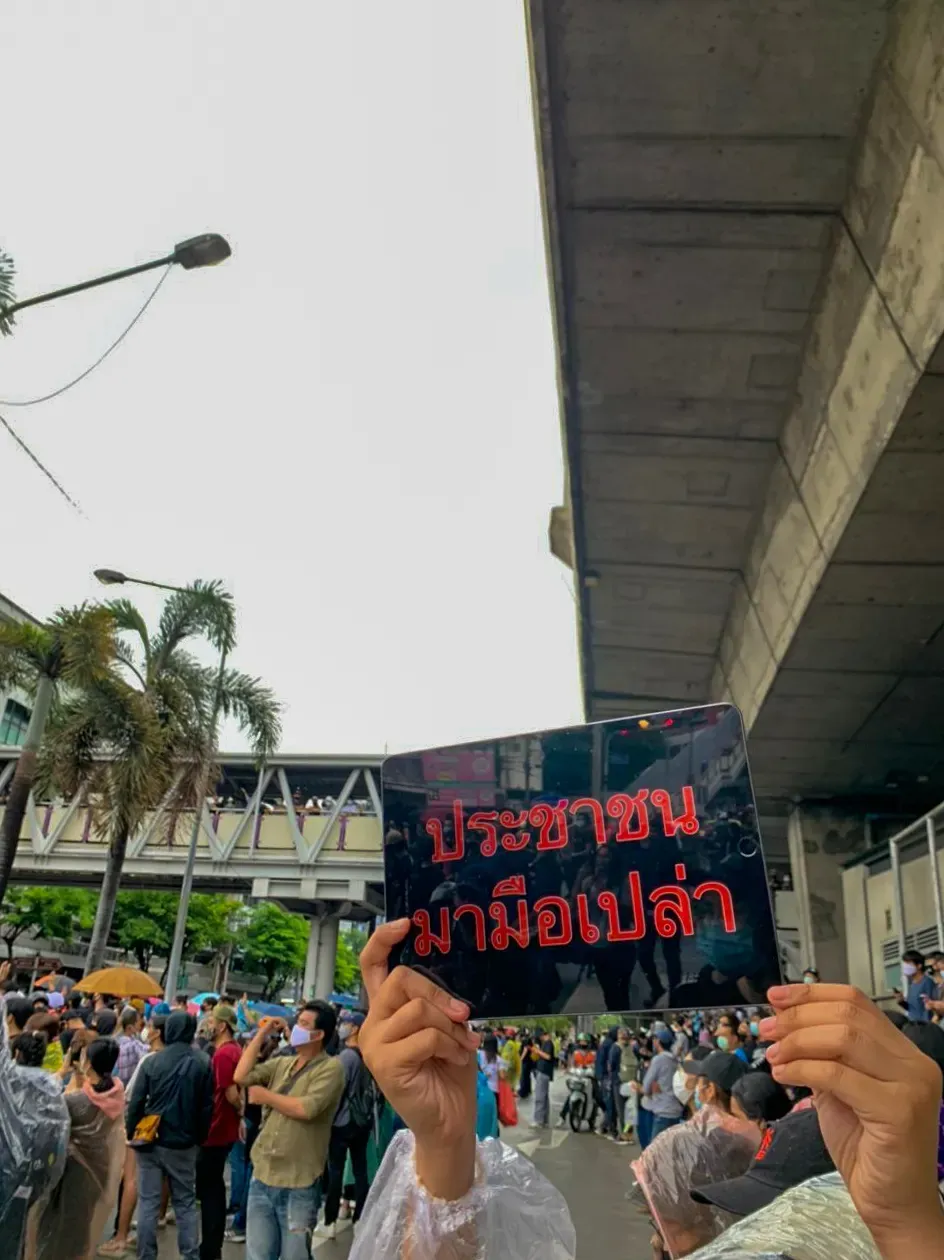
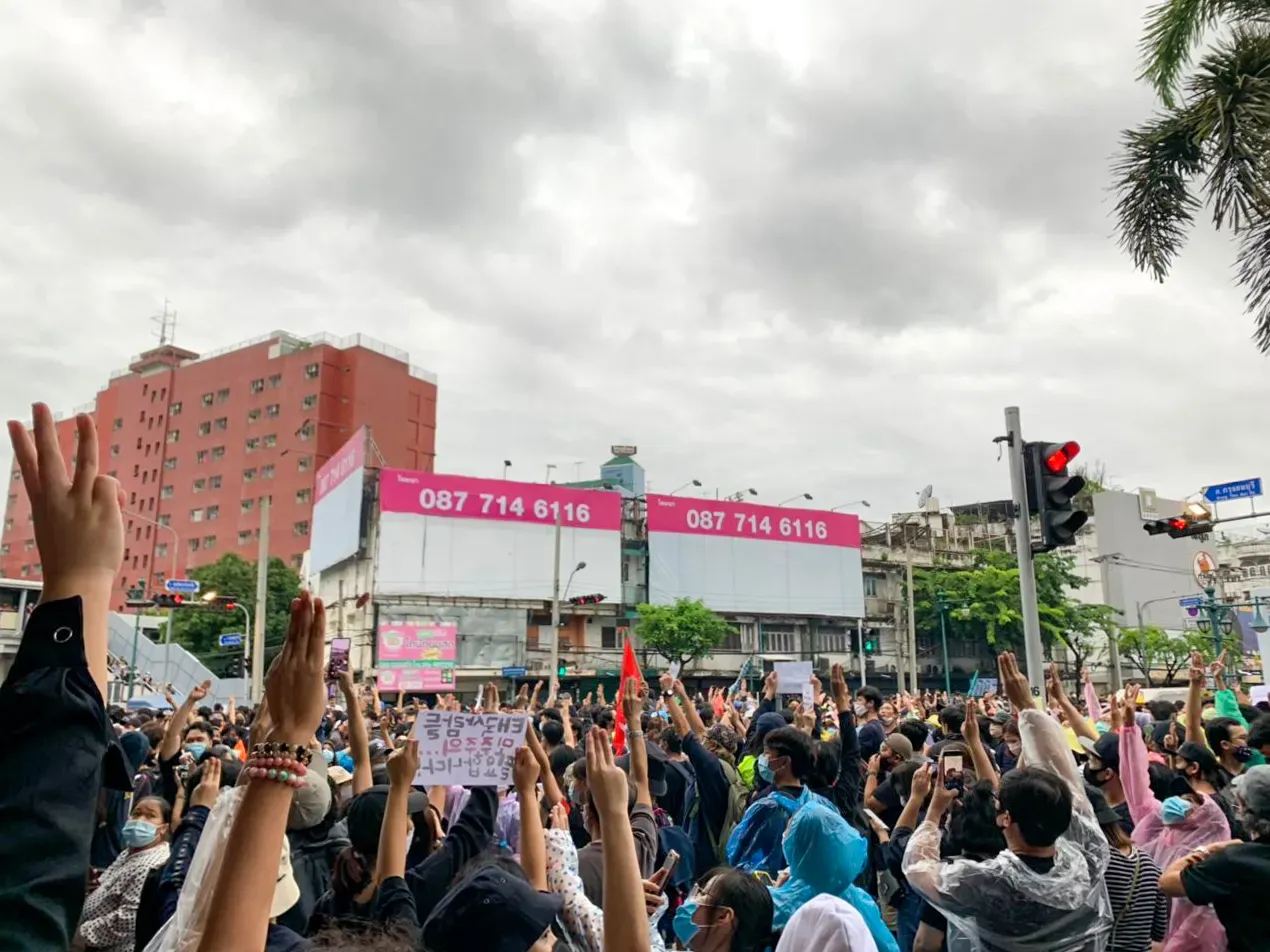
A Rally at Wongwian Yai
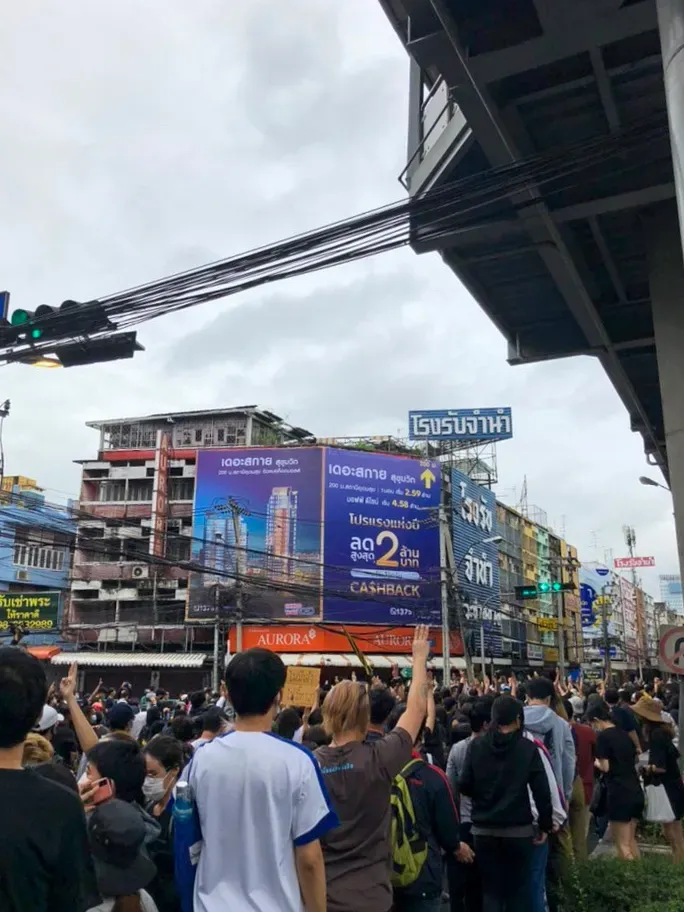
Despite the violence the authorities had brought into the previous rally, the day after, 17 October, ten of thousands of people still gathered with a new strategy — to come up with 3 main demonstrations concurrently, Udom Suk, Lat Phrao intersection, and Wongwian Yai. There were also many protest sites emerging alongwith those 3 main sites. This was, to a very great extent, evidence that they would not surrender to the felonious authorities. And this model was also applied in many demonstrations thereafter.
No-Leader Leaders
Looking back to demonstrations in 2006, 2010, and 2014 respectively, consensually concluded, there were leaders of protesters in each demonstration. Granted, the movement of the current rally was initially derived from many youths around the country — as the “protest leaders” — before it would progress and is reinforced by adults and elderly people.
However, after many rallies, especially this recent one on 17 October, the notion of “protest leader” has abruptly unsettled. Nowadays, the protests are not from and no longer just for the new generation people, but everyone regardless of age, gender, career, or which pro-democracy political party they support. Furthermore, it seems that having leaders to administrate and influence the protests is not an “absolute necessity” any longer when everyone is and can be a leader.
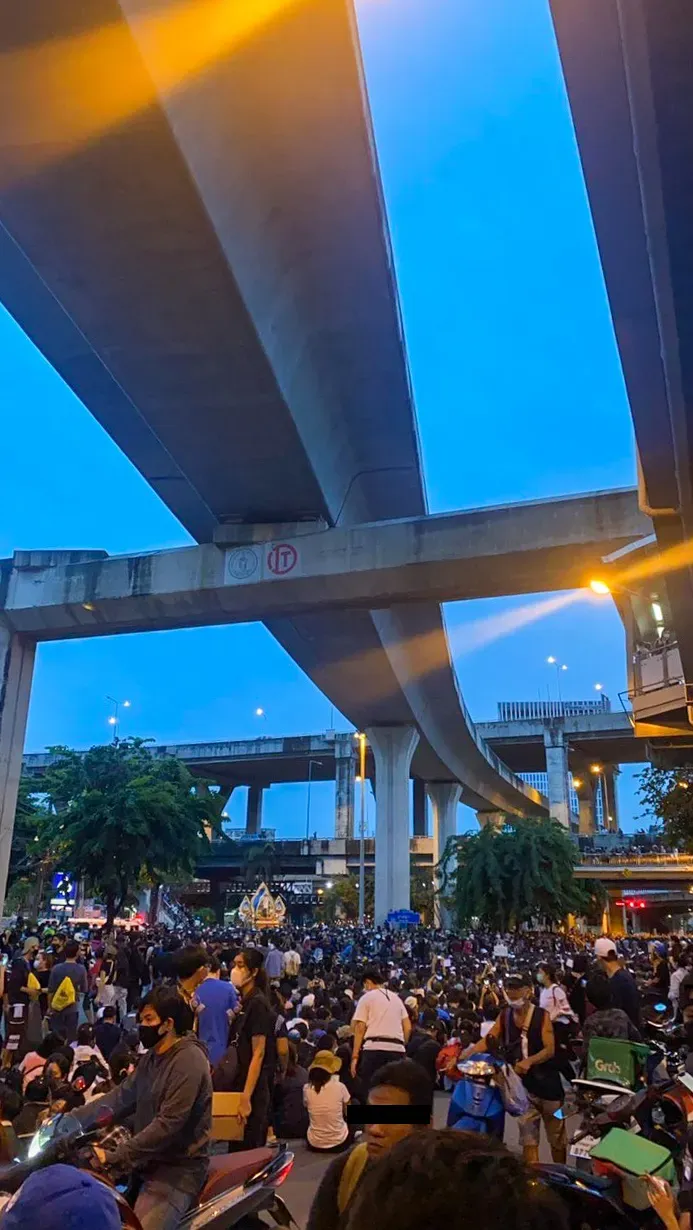
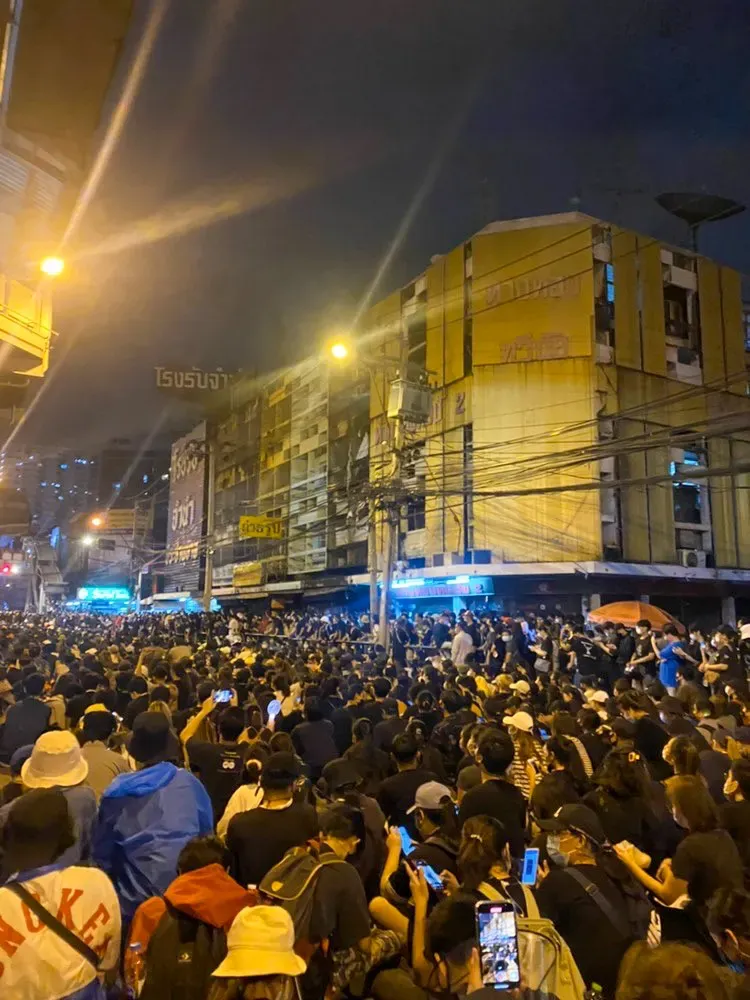
A Rally at Yaek Bang Na
The structure of the protests is likely to be flatter rather than a hierarchical one. There is no “supreme leader”. Everyone is equally rightful being a leader as well as can contribute to the protests in any other forms of supports. Their interactions are also interconnected, widely spread, and transcending the borderline of what a “leader” is and what a “follower” is.
After all, the normative preconception that the protest would have leaders is now shaken and questioned about whether we could reassess this term or select the new, proper one to represent it.
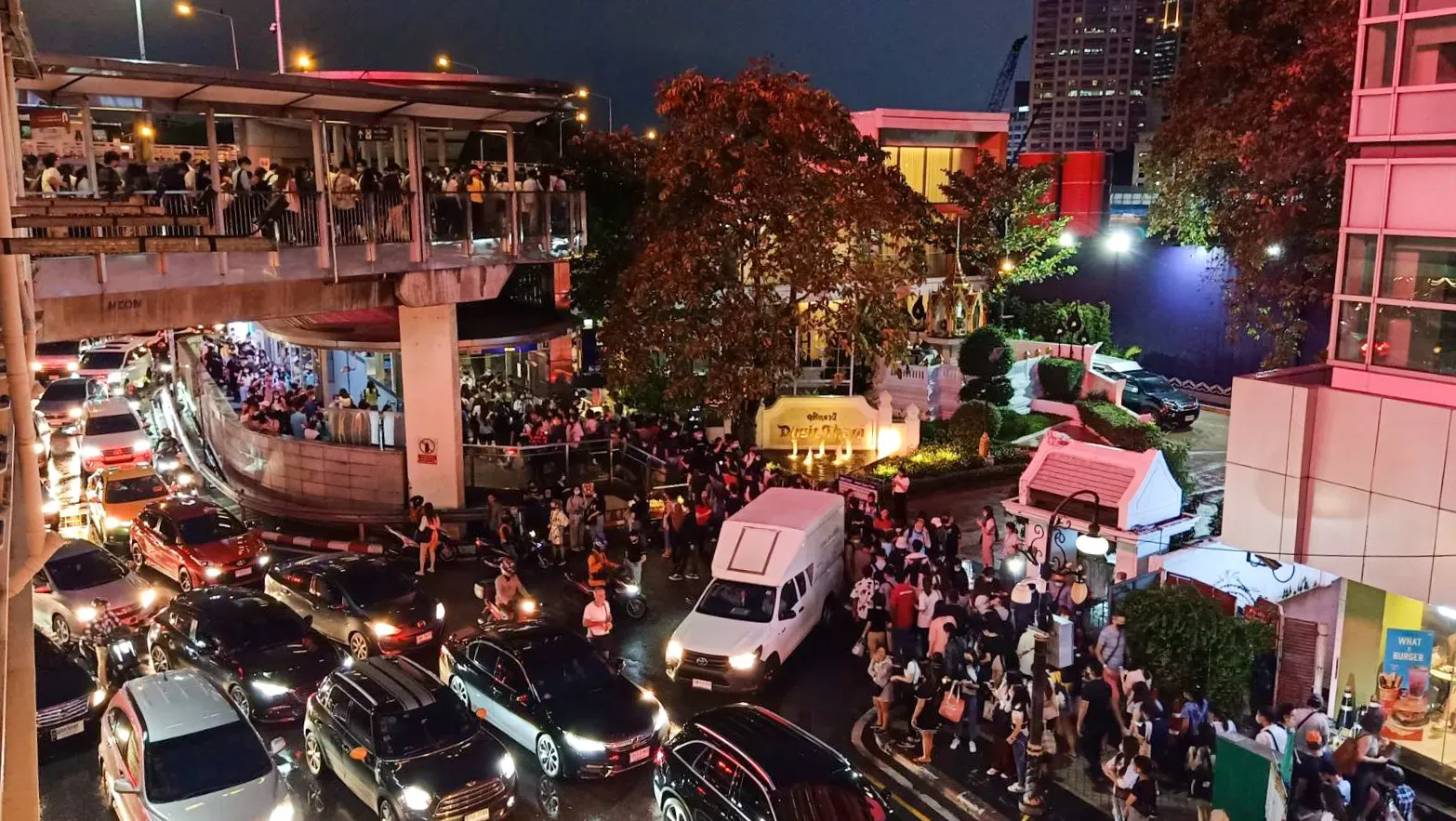
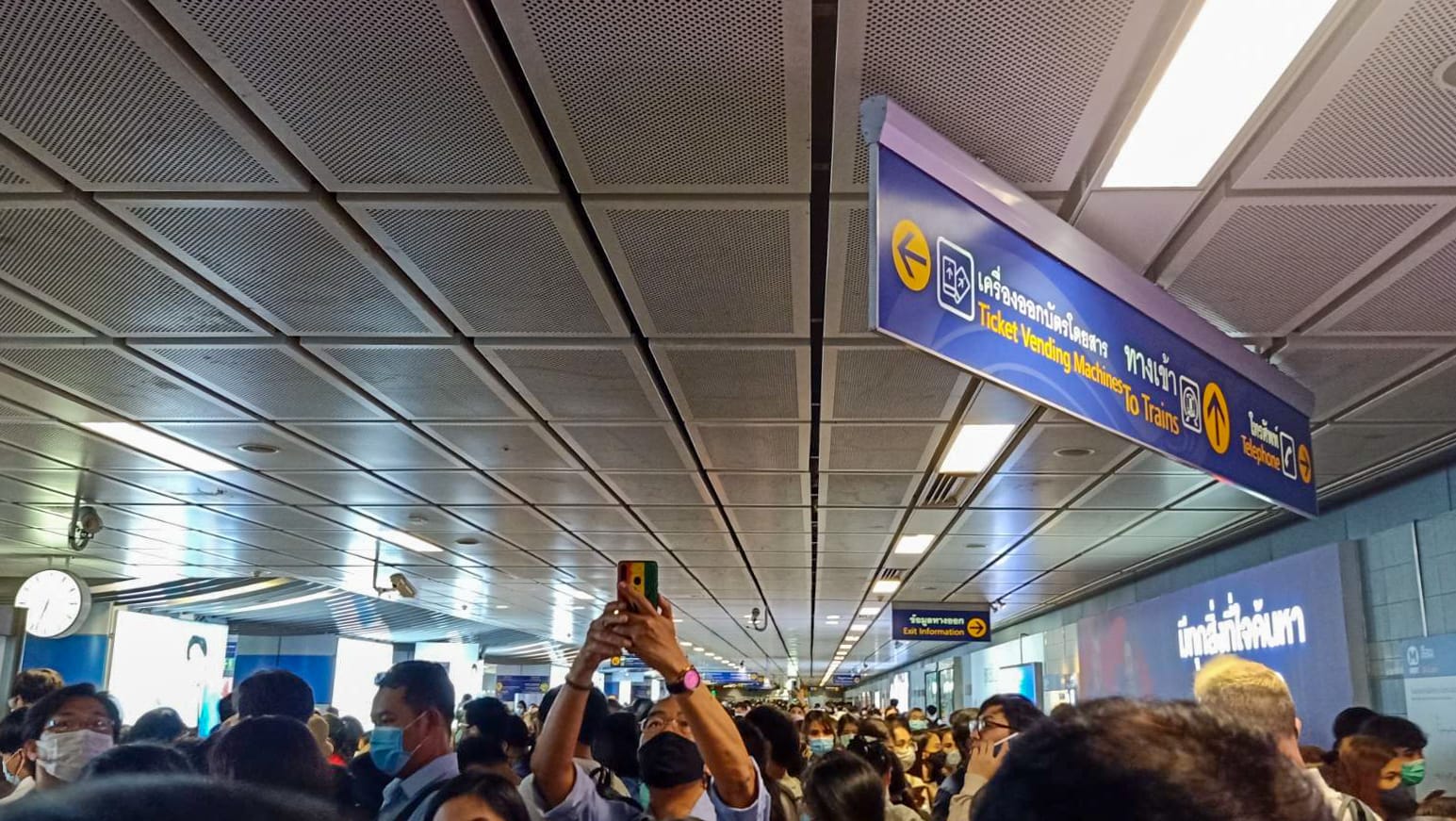
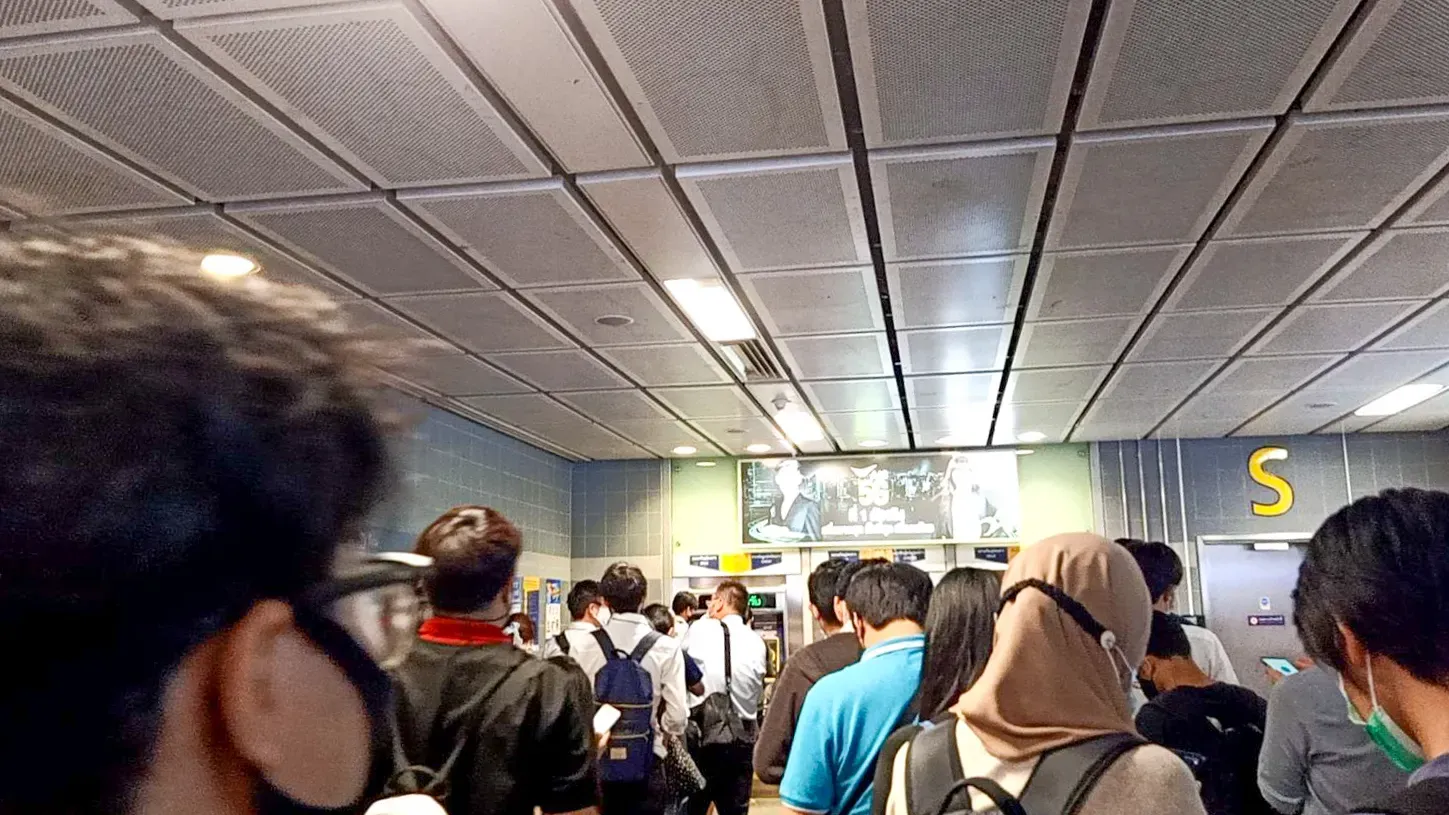
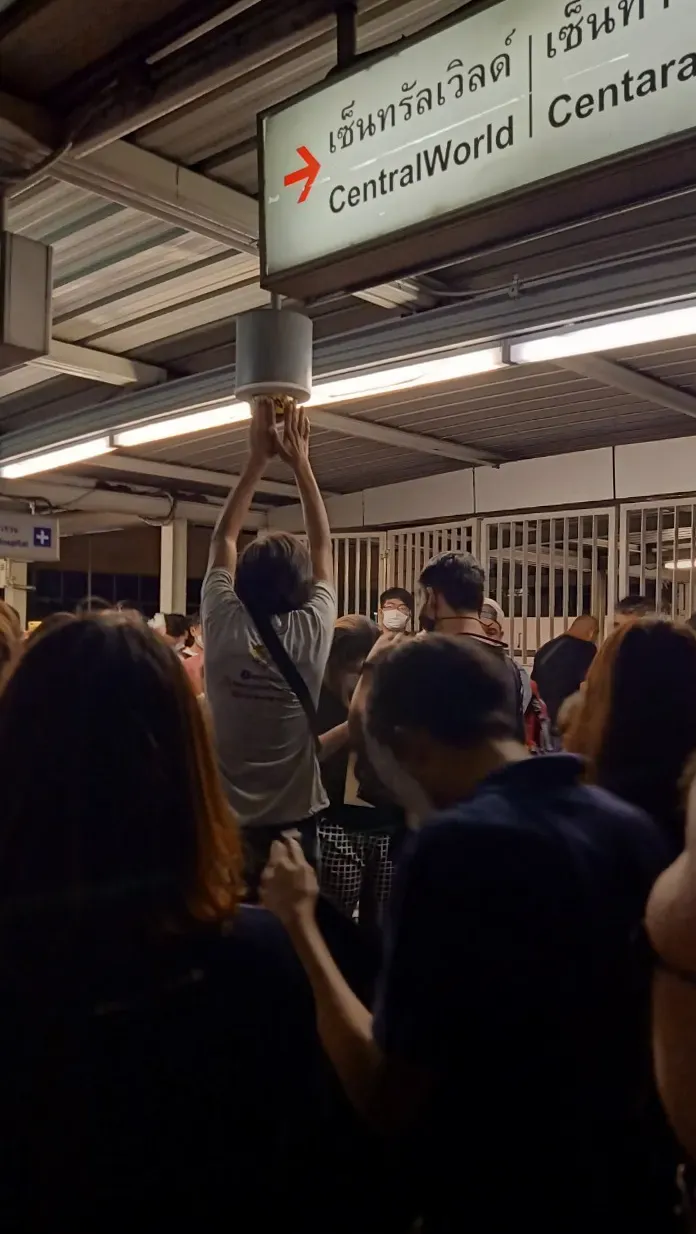
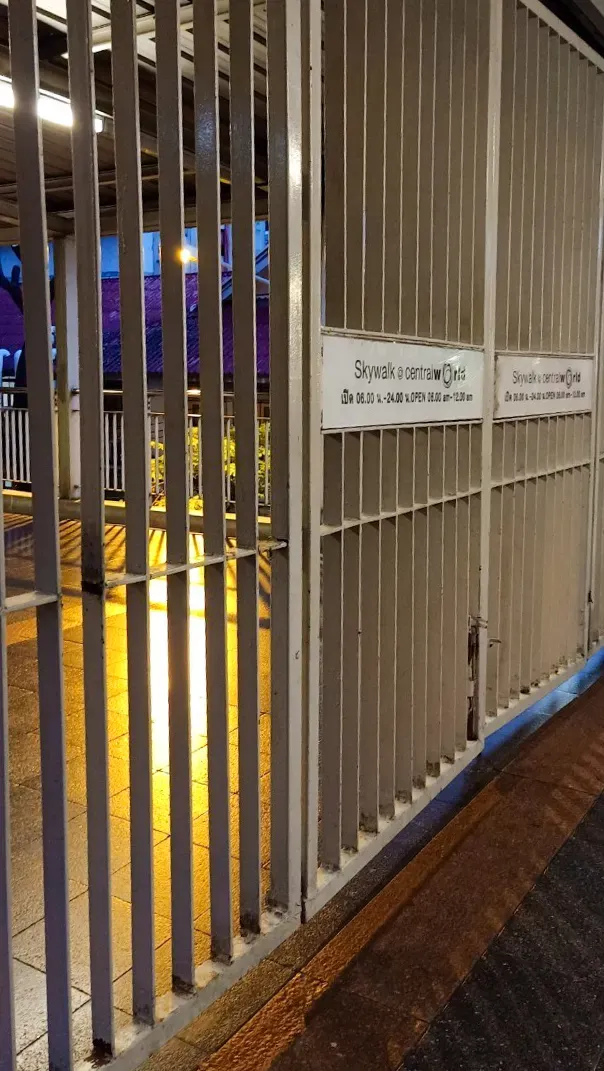
Crowd Being Stuck at MRT Silom
Individual Solitude & Collective Solidarity
After the Siamese Revolution in 1932, Thai people have been struggling to constitute a real democracy that once was declared by Khana Ratsadon (People’s Party) that this country “belonged to the people.”
Generally speaking, any action has different impacts on people on many levels. Likewise, as far as phenomenology is concerned, the coup of Prayuth and his associates has consequences on people in 2 dimensions: 1) as individuals and 2) as a whole. In addition, it is intriguing to examine this phenomenology for how it simultaneously creates such private and collective experiences — as each of them coexists with another — to the people.
It is beyond possible to elicit what and how many difficulties Thais have faced. Under Prayuth’s regime that this article focuses, we are affected in so many aspects.
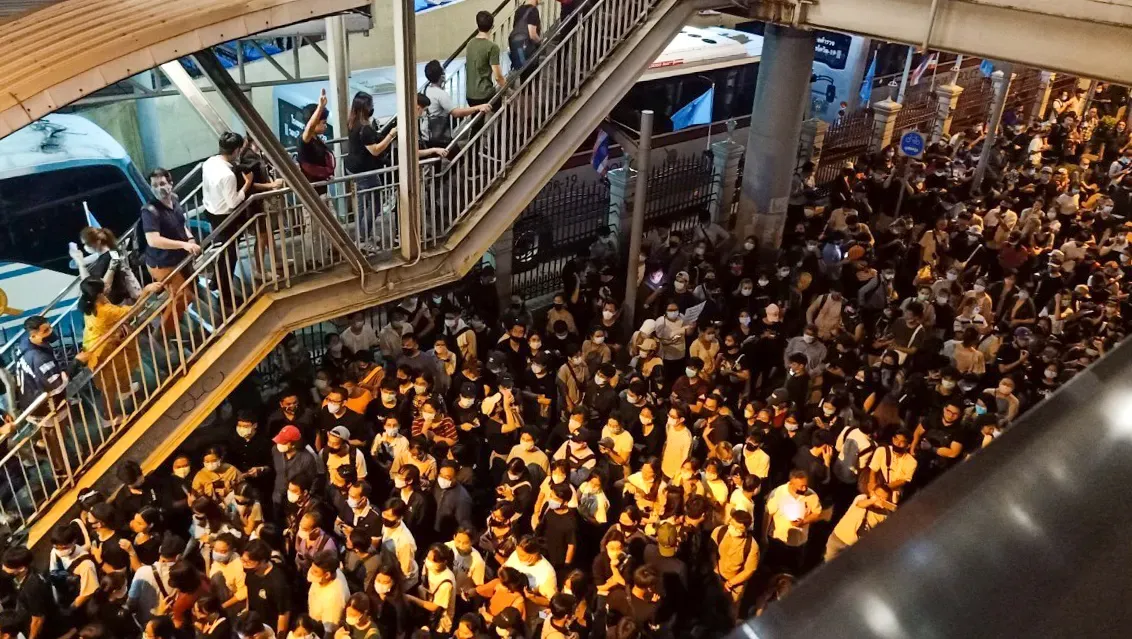
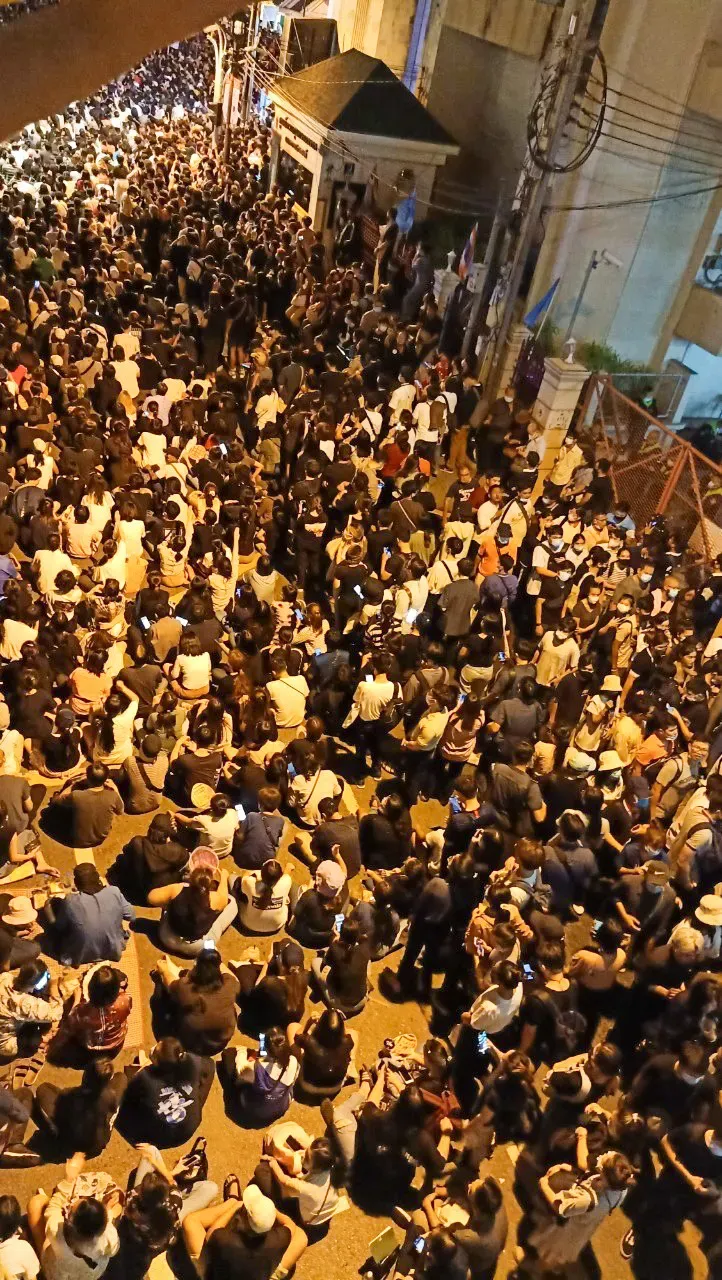
A Rally at Ratchadamri Road
Back in a day on which a person was charged as he was standing and expressing a three-finger salute by the time the film The Hunger Games was in the theatre, we have come so far from most of the people — including me — had ever imagined. And this salute continues to grow into people’ hearts.
During the hardship caused by Prayuth, some people died for speaking the truth. Many were arrested. Most of us are still suffering. It could be said they, on one hand,are suffering individually and differently. Also, on the other hand, they are suffering mutually as a single unit. So, now people are fighting for a better society for themselves individually and collectively. Thus, it is evident that individual solitariness and social solidarity are something overlapped and interwoven both in micro and macro scale.
It might be true, as I tried to think positively as possible, that one thing the Prime Minister Prayuth, throughout his regime, has quite accomplished is bringing many people overwhelming, indescribable feelings and collectively tormented experiences. Even many Prayuth supporters stopped supporting him and bystanders political apathy persons began to engage themselves in politics.
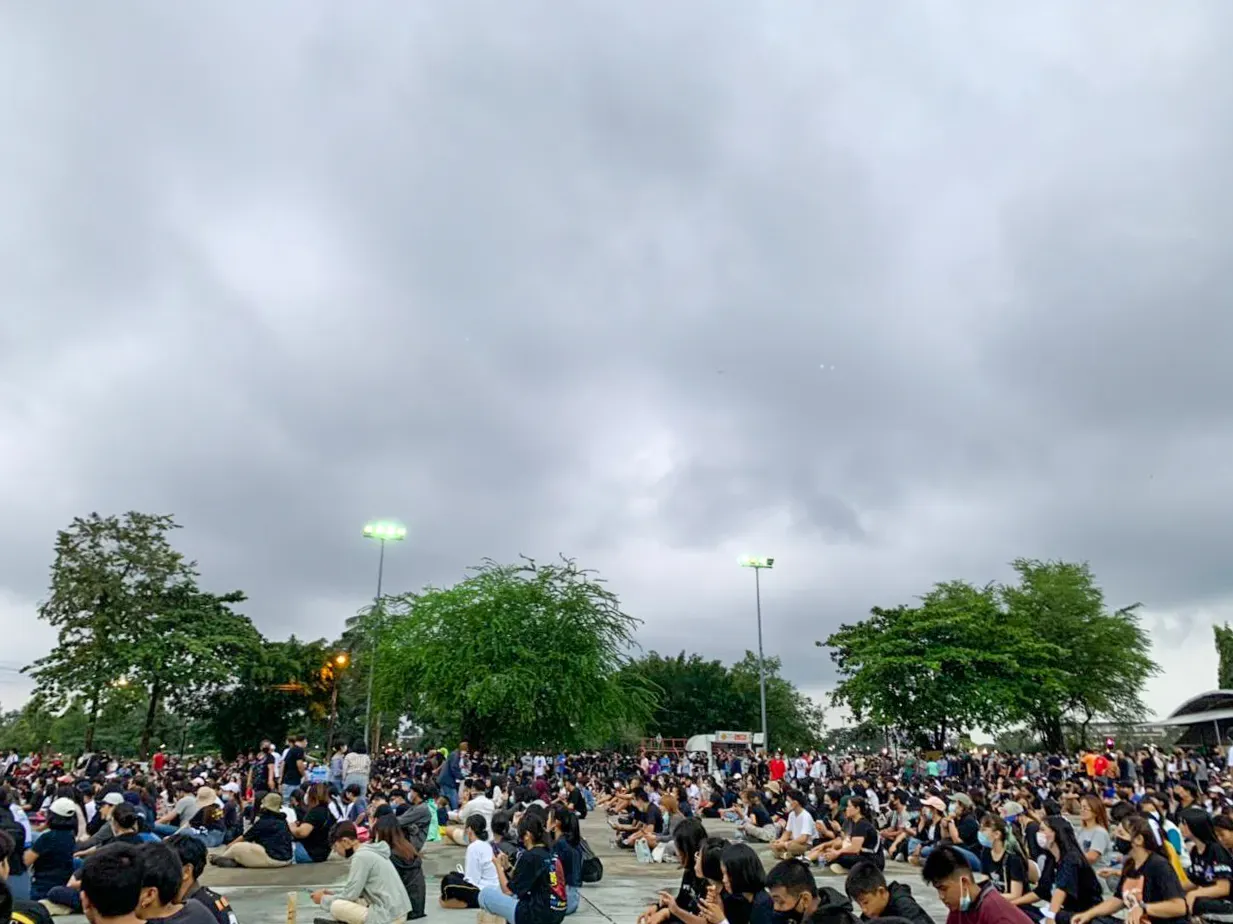
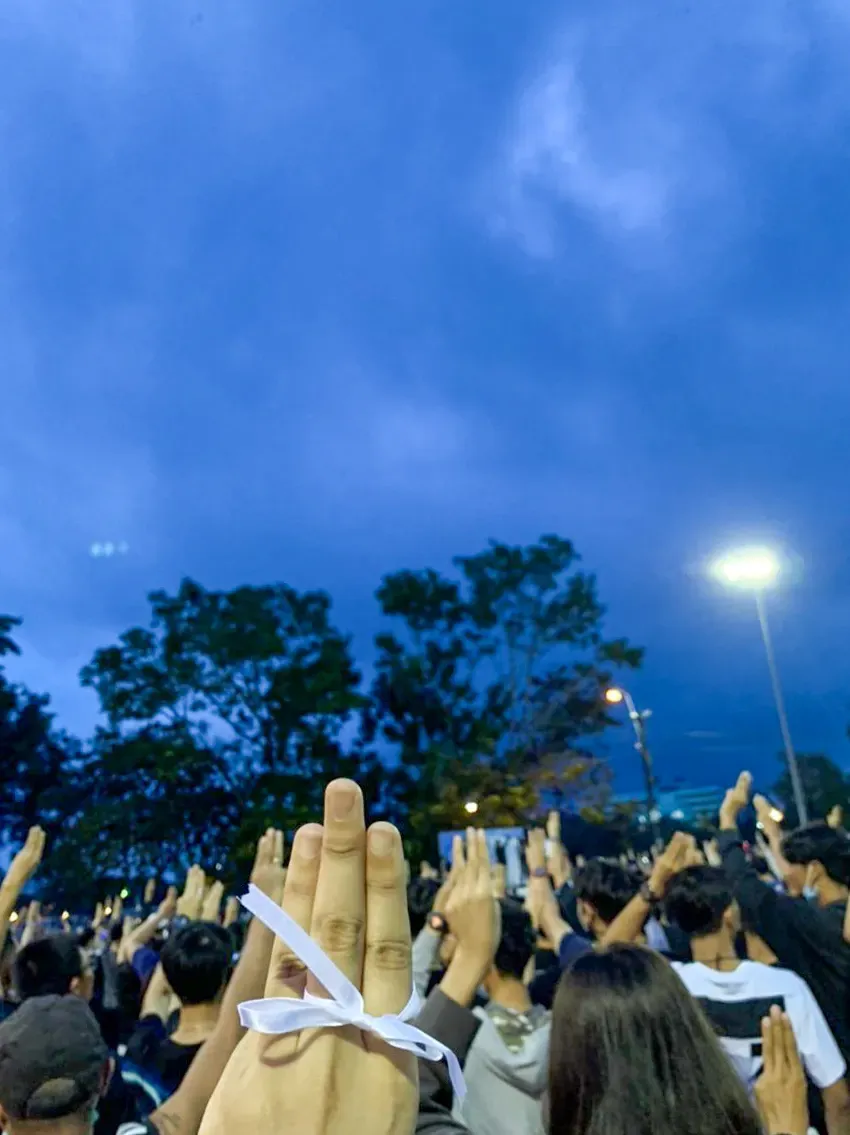
A Rally in Chantaburi
However, while the demonstrations are ubiquitous and there are no such real“leaders”, it is noted that this condition, more or less, can create an opaque, disintegrated state of the current and upcoming protests. There is a possibility that the core agendas of the protests would be left unnoticed, blurred, or even altered. Therefore, it is crucial to acknowledge, exchange thoughts between people, and keep reassessing the protests’ states, conditions, and most importantly objectives to achieve the goals.
“Change Is a Powerful Thing”
There are always sayings, for instance, “It is what it is” and “You can’t change it” by many elderly people when they are talking to their later generations. However, they might forget something that time never stops and change is inevitable. In Lana Del Rey’s Change lyrics, it says:
“Change is a powerful thingPeople are powerful beings.”
It is indeed true. Whether like it or not, things will change and some will be abolished one way or another, especially things that are no longer socially acceptable. When people have a consensus that something needs to be changed or something does not fit in the particular social context any more, then change is necessary because what does not change is dead or soon to be. Even though all of us do not know what our country and the world are going to be in the future, at least we do something with hopes that our society would be a better place. And most importantly,
“there’s a change gonna come I don’t know where or when But whenever it does We’ll be here for it,” — Lana Del Rey’s Change.


